
Church property planning and advisory

Make informed decisions about your church property now and for the future.

Attendance, ministry use, leadership capacity, building condition, and property costs change over time. Church leaders need reliable property and market information before deciding whether to remain, improve the building, share space, relocate, or sell.

Speak with an advisor
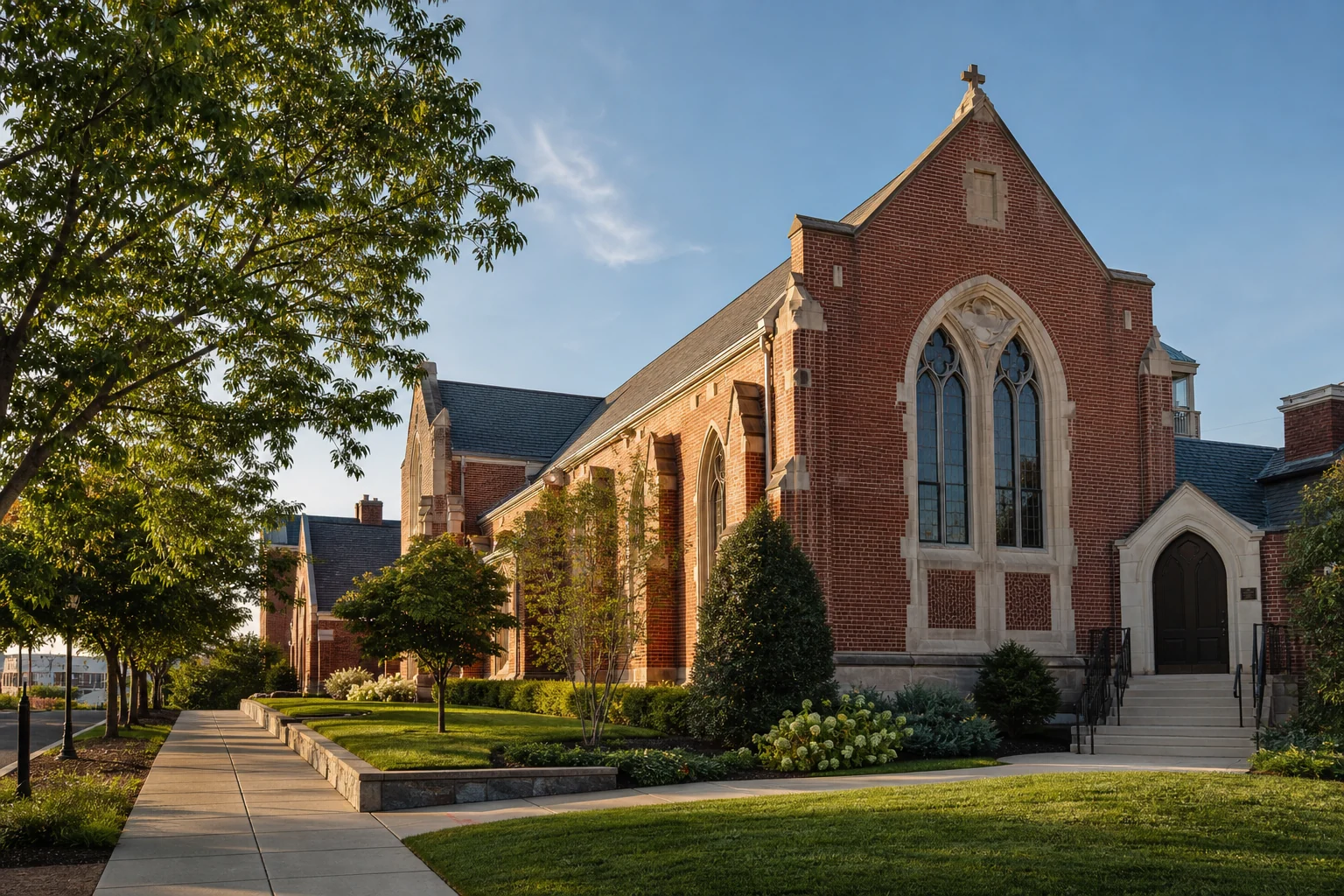
Brick church property viewed from its grounds
Church property advisoryPropertyMarketOptions
Property options

Continued ownership, property improvements, shared occupancy, leasing, partial disposition, relocation, sale, or no immediate change.

Property options

Consider each property option on the same basis.

Use consistent property facts, ownership costs, market evidence, and timing for every option.

  • Remain and account for maintenance, improvements, and operating expenses.
  • Reconfigure the property to support current space requirements.
  • Share, license, or lease defined areas to another occupant.
  • Consider a separate building, parking area, residence, or surplus land.
  • Compare continued ownership with a sale and relocation.
Church leaders reviewing property information together
Decision frameworkUse, cost, value, and timing

Information required

Sound property advice depends on reliable records and market evidence.

Property

Property information

Land and building areas, current occupancy, condition, access, parking, operating expenses, agreements, restrictions, and available records.

Market

Market evidence

Relevant sales, leases, active offerings, permitted uses, and likely buyer or tenant groups for the property and submarket.

Options

Comparison assumptions

Consistent costs, occupancy requirements, transaction expenses, planning periods, and timing for the options authorized by leadership.

Market interest

Church and specialty properties have a distinct market.

We receive property requirements from congregations, institutional users, and developers. Basic property information can be compared with those requirements before church leadership decides whether to market the property.

Religious occupancy

Existing church facilities

Sanctuary or assembly space, classrooms, offices, fellowship areas, parking, and access.

Institutional occupancy

Education and nonprofit use

Facilities for education, childcare, administration, or community services, subject to zoning and occupancy approvals.

Property conversion

Adaptive reuse and redevelopment

Building configuration, site capacity, permitted density, utilities, access, and the required approval process.

Church property exterior and grounds
Listing and dispositionPreparation
Marketing
Execution

If a sale is considered

The property marketing and sale process begins after church leadership authorizes a sale.

Before marketing, leadership should understand the property’s marketability, likely buyer groups, pricing evidence, permitted uses, condition, transaction costs, approval requirements, and the time needed to complete a sale.

Prepare the offering

Confirm the property being offered, listing strategy, asking price, confidentiality requirements, available records, known conditions, and information provided to prospective buyers.

Reach the market

Prepare offering materials, contact qualified buyers and cooperating brokers, manage inquiries, schedule property tours, and document market response.

Manage the transaction

Compare proposals, negotiate business terms, coordinate the contract and due diligence process with the church’s counsel and other advisers, and support the transaction through closing.

Decision process

Church leadership controls the property decision.

Leadership identifies the question, sets its priorities, obtains the necessary professional advice and approvals, and determines whether any transaction should proceed.

  1. State the property question

    Identify the decision, property requirements, participants, timing, and records already available.

  2. Examine the evidence

    Examine the property, occupancy, costs, restrictions, relevant market evidence, authorized alternatives, and limitations of the available information.

  3. Document the basis for the decision

    For an authorized assignment, record the evidence, assumptions, options, tradeoffs, unresolved matters, and next steps.

Confidential property discussion

Tell us what leadership needs to know about the property.

Provide the address, the property question, and any known timing. A complete property file or decision to transact is not required.

advisors@leydars.com

Prepare for a review

Start with what leadership already knows.

A complete file is not required for the first conversation. Existing records show what can be addressed and which documents are still needed.

Property
  • Address, parcel, deed, or survey
  • Approximate land and building areas
  • Current uses, leases, or shared occupancy
Condition and cost
  • Known repairs or capital projects
  • Operating costs and property income
  • Existing reports or plans
Leadership
  • The question under consideration
  • Known timing and approval requirements
  • Advisors already involved

Confidential sale discussion

Tell us what leadership is considering.

A decision to sell is not required. Provide the property address, the sale question under consideration, and any timing or approval requirements already known.